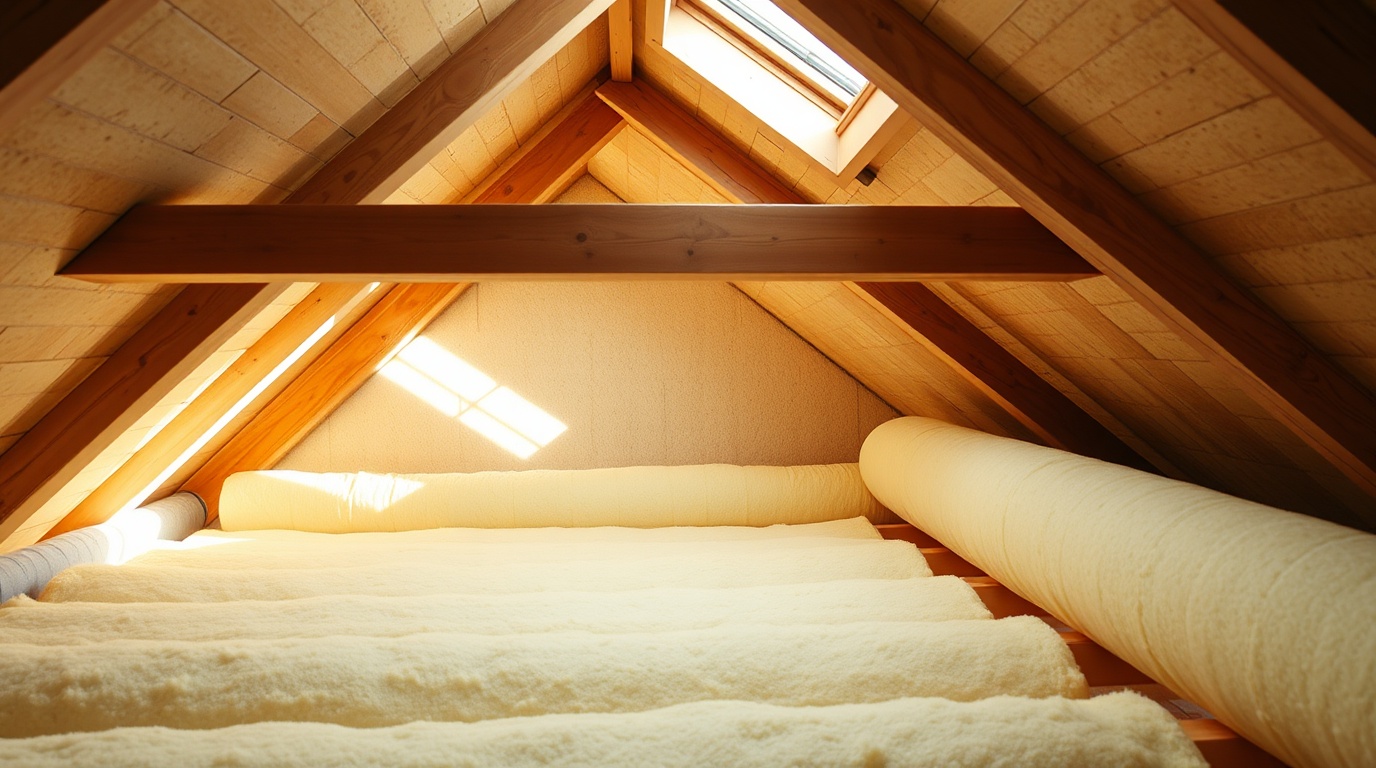
The short answer
Boarding and insulating a loft together typically costs £25 to £50 per square metre in the UK, so a usable storage floor for an average loft often runs £800 to £2,500. The reason it costs more than insulation alone is the raised batten or stilt system needed to keep the full 270mm of insulation uncompressed beneath a walkable deck. Boarding straight onto the joists is cheaper but crushes the insulation, wrecking its performance — so a proper raised floor is the right specification even though it adds cost.
Boarding a loft for storage is popular, but doing it without crushing your insulation is the part that drives the price. Here is what a correct job costs and why.
Board & insulate at a glance
- Typical rate£25–£50/m²
- Average loft£800–£2,500
- Raised system needed?Yes — to keep 270mm uncompressed
- Boarding on joists aloneCrushes insulation — avoid
- Part L roof target270mm mineral wool equivalent
Why a raised system is the key cost
The recommended insulation depth for a UK loft is 270mm of mineral wool. A standard ceiling joist is far shallower than that — often around 100mm — so if you board directly onto the joists you either fit only 100mm of insulation or crush the full layer flat. Compressed insulation loses much of its value, which defeats the purpose and can cause condensation where warm air meets the cold underside of the boards.
The correct solution is a raised floor system: plastic legs (loft stilts) or timber battens lift the boards above the insulation, leaving the full 270mm uncompressed with a ventilation gap. That extra material and labour is the main reason boarding-plus-insulation costs several times more per square metre than simply laying insulation.
What the price covers and what moves it
A boarded-and-insulated quote usually bundles the insulation top-up to 270mm, the raised support system, the boards themselves, and labour. The figure moves with the area you board, the access, and any extras like a loft ladder or improved hatch.
| Element | Typical cost | Notes |
|---|---|---|
| Insulation to 270mm | £5–£12/m² | Top up over existing if sound |
| Raised floor system + boards | £20–£40/m² | Stilts or battens plus decking |
| Whole boarded loft | £800–£2,500 | Depends on area and access |
| Loft ladder + hatch upgrade | £150–£500 | Common add-on, often quoted separately |
Indicative UK figures for guidance, 2026. Costs vary by area, access and the proportion of the loft boarded.
Boarding part of the loft versus the whole floor
You rarely need to board an entire loft. Most households board a central walkable zone for storage and leave the perimeter as insulation only, which keeps cost down and preserves ventilation at the eaves. Boarding a defined area also limits the load on the ceiling joists, which were designed for occasional access rather than heavy storage — spreading weight and not overloading is a sensible structural consideration.
If you are insulating from scratch at the same time, doing both together is more efficient than two visits. Insulation supply-and-fit currently benefits from 0% VAT in Great Britain until 31 March 2027, though the boarding and raised-system elements are a separate consideration for VAT since they are not themselves insulation. For most homes wanting both storage and a warm, properly insulated ceiling, a raised boarded zone over a full 270mm layer is the specification that keeps the insulation working while giving usable space.
Cheaper shortcuts and why they cost more later
There is a tempting low-cost option: lay chipboard sheets straight onto the existing joists and call it done. It is the lowest-outlay way to get a boarded floor, but it carries a hidden price. With only the joist depth available — often around 100mm — you cannot fit the recommended 270mm, so the ceiling is left under-insulated and heat keeps escaping. Worse, the warm, moist air from the house below meets the cold underside of the boards, where it can condense, leading to damp boards, musty smells and, over time, mould.
A raised loft floor system avoids both problems by lifting the deck clear of a full-depth insulation layer with a ventilation gap between. It costs more upfront precisely because it solves the insulation and condensation issues that the cheap shortcut creates. When comparing quotes, check that the raised system gives enough clearance for the full insulation depth, that the boards are rated for the loads you intend to store, and that the eaves are left open for airflow. Paying once for a correct raised system is generally better value than boarding flat now and dealing with cold rooms or condensation damage later.
Frequently asked questions
Can I just board straight onto the joists?
You can, but it is poor practice — it either limits insulation to the joist depth (around 100mm) or crushes a fuller layer flat, losing performance and risking condensation. A raised system keeps the full 270mm uncompressed.
Does boarding a loft reduce its insulation value?
Only if done badly. Boarding directly onto joists compresses insulation and reduces its value. A raised floor over the full 270mm of insulation keeps the thermal performance while giving you a usable storage deck.
Is loft boarding covered by 0% VAT like insulation?
The insulation element of a job benefits from the 0% VAT relief on energy-saving materials until 31 March 2027, but boards and the raised system are not insulation, so their VAT treatment differs — ask the installer to itemise.
Sources & further reading
Figures on this page are typical UK ranges drawn from published sources and depend on your specific loft. They are guidance, not a quotation.