The short answer
In most UK homes, old loft insulation is not dangerous — it is usually mineral wool or fibreglass that has settled, thinned or got dusty and simply works less well than it once did. The main exceptions to be aware of are loose-fill vermiculite, a small proportion of which (historically) could contain asbestos, and any insulation board or backing that might be an asbestos-containing material in older properties. Fibreglass and mineral wool are irritants, not poisons — they make skin itch and can irritate the eyes and airways, so wear gloves, a mask and goggles when handling them. If you suspect asbestos (typically a greyish-brown, pebble-like loose-fill), do not disturb it and arrange testing through a competent professional before doing any work.
Worry about old loft insulation often centres on asbestos, but the everyday reality is that most old insulation is harmless mineral wool past its best. Knowing what to look out for — and what to leave alone — keeps you safe.
Old loft insulation safety
- Most common old materialMineral wool / fibreglass
- Main everyday hazardSkin and airway irritation (wear PPE)
- Material to be cautious ofLoose-fill vermiculite (possible asbestos)
- If asbestos suspectedDo not disturb — arrange testing
- Performance over timeSettles and thins, losing effectiveness
What old loft insulation usually is
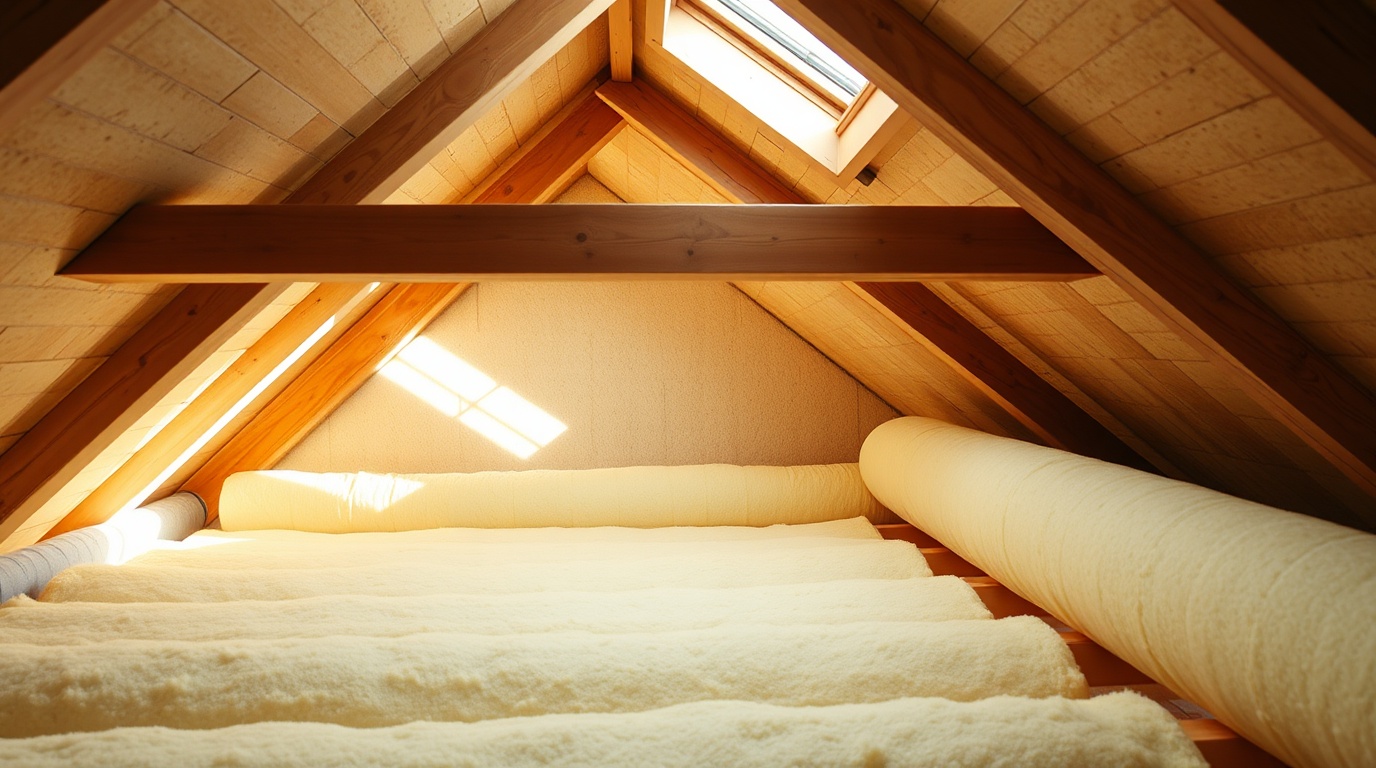
The overwhelming majority of older UK lofts are insulated with mineral wool or glass wool (fibreglass), laid as rolls or quilt between and over the joists. This material does not rot, burn easily or release toxic substances in normal use. What it does do over decades is settle and compress, losing thickness and trapping less air, so its insulating value gradually falls. Old insulation that is thin, flattened or patchy is usually a performance problem — your home loses more heat — rather than a safety one.
It can also become dusty and shed fine fibres when disturbed, which is an irritation issue rather than a toxicity one. Handling it kicks up fibres that itch the skin and can irritate the eyes, nose and throat. That is unpleasant but manageable with basic protective equipment.
The materials that warrant caution
A few older insulation materials do justify a careful look before you touch anything:
- Loose-fill vermiculite: a lightweight, pebble-like granular fill, often greyish-brown or gold-brown. Most vermiculite is perfectly safe, but a proportion produced historically was contaminated with asbestos at source. If your loft has loose granular fill of this type, treat it as possibly asbestos-containing until tested.
- Asbestos insulating board (AIB): older boards, panels or backing around water tanks, flues and hatches in mid-20th-century homes can contain asbestos. They are not insulation quilt, but they may be present in the same space.
- Old pipe or tank lagging: historic lagging on pipes and tanks can be an asbestos-containing material in some older properties.
Asbestos is only a risk when its fibres are released into the air and breathed in — usually through cutting, breaking or disturbing the material. Left undisturbed and in good condition, many asbestos-containing materials pose little immediate risk, which is exactly why disturbing them without knowing what they are is the thing to avoid.
Handling old fibreglass and mineral wool safely
For ordinary old mineral wool, the precautions are straightforward and the same as for new material:
- Wear gloves, long sleeves and trousers to keep fibres off the skin.
- Wear a dust mask (a disposable FFP-rated mask) and goggles to protect airways and eyes.
- Avoid creating unnecessary dust — handle gently, bag old material rather than shaking it out.
- Ventilate the space and wash exposed skin afterwards; rinse rather than rub itchy skin so you do not work fibres in further.
- Bag waste and dispose of it through your local council's guidance for construction-type waste.
None of this requires specialist equipment. The irritation from fibreglass is temporary and avoidable with basic protective clothing.
When to test, replace or simply top up
Deciding what to do with old insulation comes down to what it is and how it performs:
- Suspected asbestos-containing material: test first, do not disturb, and act on professional advice. This takes priority over any energy decision.
- Sound but thin mineral wool: you can usually top up over the top with new insulation to reach a modern depth rather than removing the old layer — provided the existing material is dry and in reasonable condition.
- Wet, mouldy or contaminated insulation: remove and replace, wearing protective equipment, and fix whatever made it wet.
- Vermin-fouled insulation: remove and replace the affected area for hygiene reasons.
For the typical home, the honest answer is that old insulation is far more likely to be inefficient than hazardous. The genuine risk cases — asbestos-containing materials — are uncommon, recognisable with care, and are managed by testing rather than panic.
Frequently asked questions
How do I know if my loft insulation contains asbestos?
You cannot tell for certain by sight alone. Loose, pebble-like granular fill (often vermiculite) and older boards or lagging are the materials most worth checking in homes built or insulated before the late 20th century. If in doubt, do not disturb it and arrange a sample test through a competent asbestos professional before any work.
Is old fibreglass loft insulation harmful?
Old fibreglass and mineral wool are irritants rather than poisons. They can make skin itch and irritate the eyes and airways when disturbed, so wear gloves, a mask and goggles. They do not release toxic substances in normal use, and old material is usually a performance problem rather than a health hazard.
Can I just put new insulation over old insulation?
Often yes. If the existing insulation is dry, in reasonable condition and not contaminated, you can lay new insulation over the top to reach a modern depth, usually crossing the joists. You should not top up over insulation that is wet, mouldy, vermin-fouled or suspected of containing asbestos — that needs dealing with first.
Sources & further reading
- HSE — asbestos: what you should know
- Energy Saving Trust — roof and loft insulation
- GOV.UK — asbestos and the law
Figures on this page are typical UK ranges drawn from published sources and depend on your specific loft. They are guidance, not a quotation.